The Freight Most Carriers Don't Want
The freight that doesn't fit a container, a pallet, or a standard logistics model.
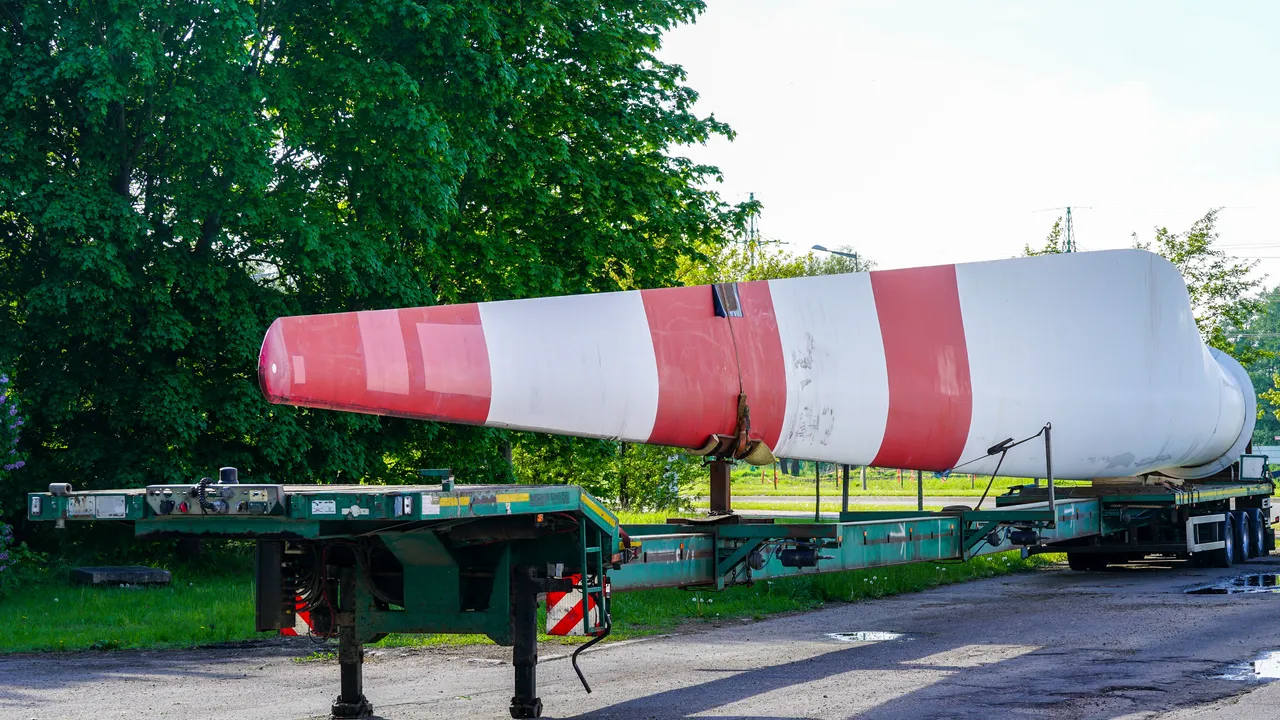
Most logistics companies are built for containers and pallets.
Project cargo and breakbulk are neither.
A 90-ton transformer. A 130-foot wind turbine blade. Pre-fabricated industrial modules. Steel coils. Paper rolls bigger than a sedan. None of it fits in a 53-foot dry van. Most of it doesn't fit in a container at all.
When something doesn't fit the form, most carriers pass. The few that don't usually subcontract the hard parts — and that's where it falls apart.
What “Project Cargo” Actually Means
Project cargo is freight that needs an engineered move. Every shipment is its own problem:
- A custom lift plan because no two pieces weigh the same
- A route survey because the load is too tall for a bridge or too wide for a lane
- Permits in every state it crosses, plus escorts where required
- Specialized equipment matched to the specific load — drop-deck, RGN, multi-axle, Schnabel
- A handoff plan between truck, rail, crane, and warehouse that doesn't drop the piece
Breakbulk is the loose-loaded sibling. Steel, paper, machinery, vehicles — anything that gets handled individually rather than in a container. Less engineering, more handling. Different problem, same lack of a standard answer.
Where It Goes Wrong
The standard model is a chain of subcontractors:
- A broker books the trucking
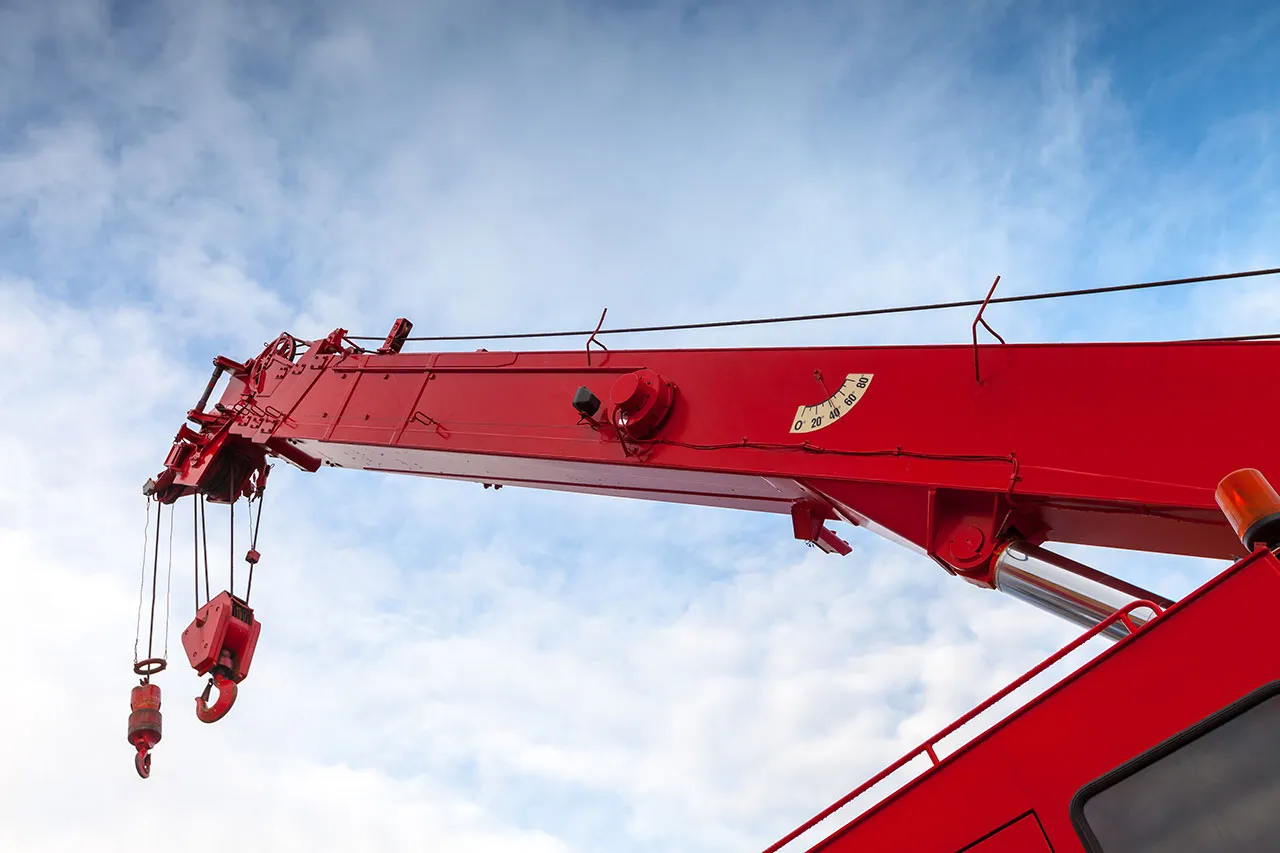
- A different vendor handles the crane
- A third runs the rail
- A fourth stores it when it arrives
Each handoff is a place where something gets dropped, damaged, or delayed. When the crane crew shows up and the load isn't rigged the way the operator expected, someone goes home and the meter keeps running. When the truck arrives without the right escorts, it sits on the shoulder. When the warehouse doesn't have a dock that fits, the piece gets unloaded outside in the rain.
This is what people mean when they say project cargo is “complicated.” It's not the physics. It's the coordination.
How We Do It
We own the assets:
- Heavy-lift crane capability
- Direct rail access with indoor loading and unloading
- Our own heavy-haul trucks and trailers
- Warehouses across the continental US that can handle weight and dimension
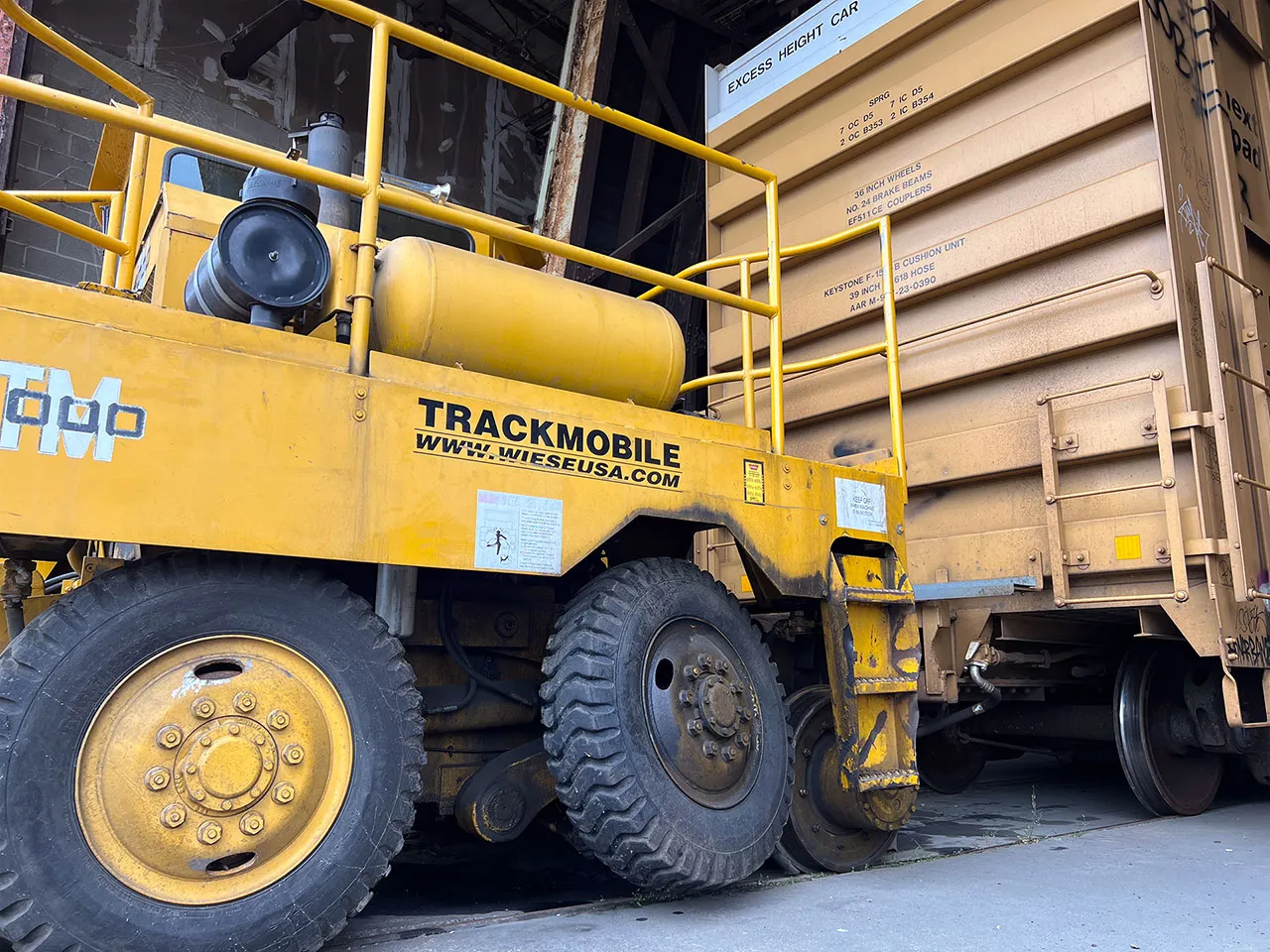
When you bring us a project move, one company plans the lift, runs the trucks, manages the rail leg, books the escorts, pulls the permits, and stores the piece when it arrives. There's no handoff because there's no second vendor.
That's the whole pitch. The complication doesn't go away — engineered moves are engineered moves. But the coordination chaos does.
What to Ask Before You Hire Someone
If you're moving project cargo or breakbulk, ask three questions before you sign:
- Who owns the equipment? Brokers don't. Asset-based carriers do. When something goes wrong at 2 a.m., one of them can solve it; the other can only make phone calls.
- What happens at each handoff? If the answer involves three different company names, expect three different problems.
- Have you moved this kind of piece before? Project cargo experience isn't transferable. Wind components are not transformers. Paper rolls are not steel coils.
The Short Version
Big, heavy, awkward freight still has to move. Most carriers won't help.
The ones who will usually subcontract the hard parts. We don't, because we own the parts.
If you have a piece that doesn't fit, talk to us before you build a four-vendor chain to move it. Or call us at +1 (484) 494-4294.