Rail Makes More Sense Than You Think
Most shippers default to trucks - because trucks are what they know.
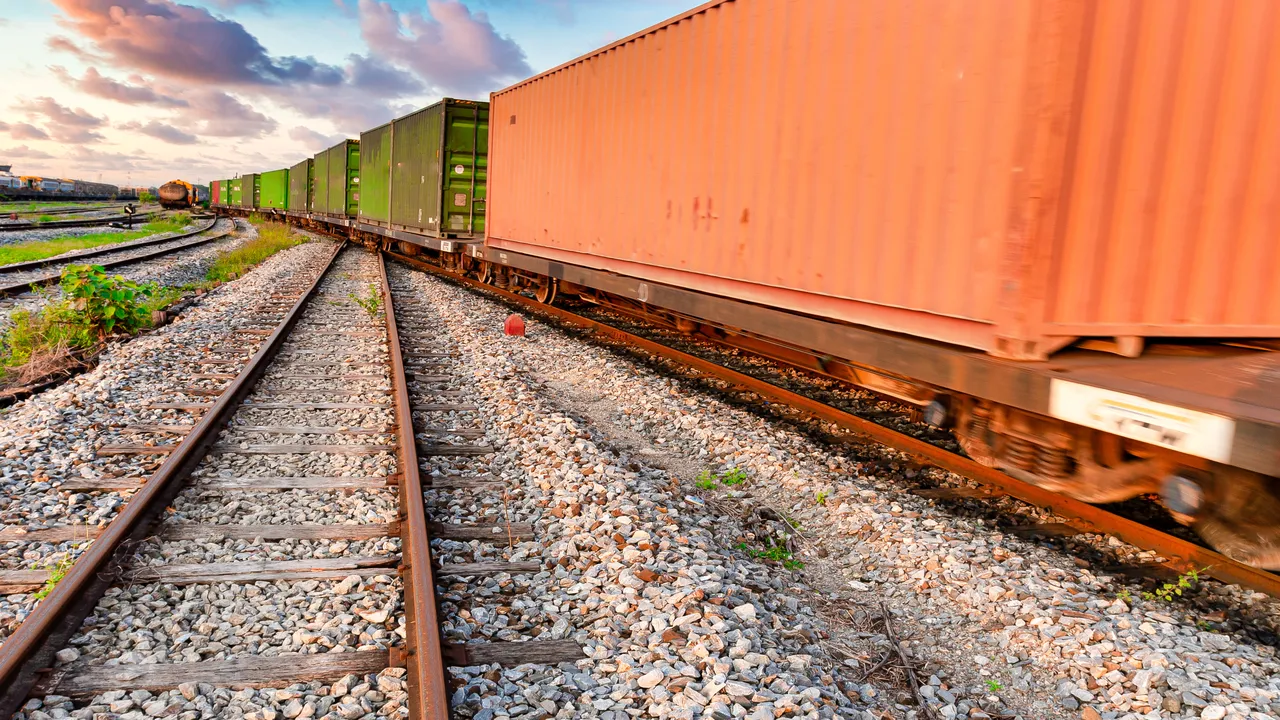
Most shippers default to trucks. Not because trucks are always the right call, but because trucks are what they know. Rail feels like a different world — complicated, slow, full of gatekeepers.
It doesn't have to be.
The Honest Case for Rail
Rail moves more freight per gallon of fuel than any other mode. For heavy loads, long hauls, or bulk commodities, it's often cheaper than trucking — sometimes significantly so. Driver shortages don't affect it. Fuel surcharges hit differently. Capacity constraints that throttle the over-the-road market barely register.
The catch, for most shippers, is access. Getting freight on and off a railcar requires being near the infrastructure — or paying someone who is.
We're near the infrastructure.
What “Direct Rail Access” Actually Means
GWSI owns warehouse facilities with direct rail access and indoor loading and unloading. That last part matters more than it sounds.
Most rail facilities load and unload outside, exposed to weather. Your freight sits on the dock in the rain. Dwell times stretch. Damage claims follow.
Our indoor rail capability means freight moves directly from the railcar into the warehouse — or out of the warehouse into the car — without ever sitting outside. One less handoff. Less exposure. Fewer problems.
We handle thousands of railcars annually. This isn't something we do occasionally. It's a real part of how we operate.
What Moves Well by Rail
Not everything is a fit. But a lot more is than shippers realize. Rail tends to work well for heavy commodities — metals, construction materials, machinery. Forest products like lumber, panels, and pulp. Agricultural and plastic goods that move in volume. Food and beverage products — sugar, tomato sauce, honey, and similar bulk food ingredients — where temperature-stable, high-volume shipments make rail a natural fit. And finished goods that need storage: ship by rail, deconsolidate, store, distribute.
If your freight moves in volume and doesn't need to be somewhere in 48 hours, rail is worth the conversation.
The Rail + Warehouse Combination
The real value isn't rail alone. It's rail connected to distribution.
GWSI can receive your freight by rail, store it in our warehouses, and move it out by our own trucks — on your timeline. That means you can ship in bulk when the economics make sense, hold inventory at a lower cost per unit, and still hit your delivery windows.
Asset-based trucking, rail access, and warehouse space under one roof. That combination is genuinely hard to find.
Who This Is For
If you're shipping heavy freight across North America and you're not at least evaluating rail, you're probably leaving money on the table. We work with companies in forest products, ag, food and beverage, automotive, metals, plastics, and construction. Most came to us because trucks weren't cutting it — cost, capacity, or both.
If you want to know whether rail makes sense for your lanes, reach out or call us at +1 (484) 494-4294. We'll tell you honestly if it's a fit.