Stop Paying for Miles You Don't Need
With fuel this expensive, the cheapest mile is the one you never drive.
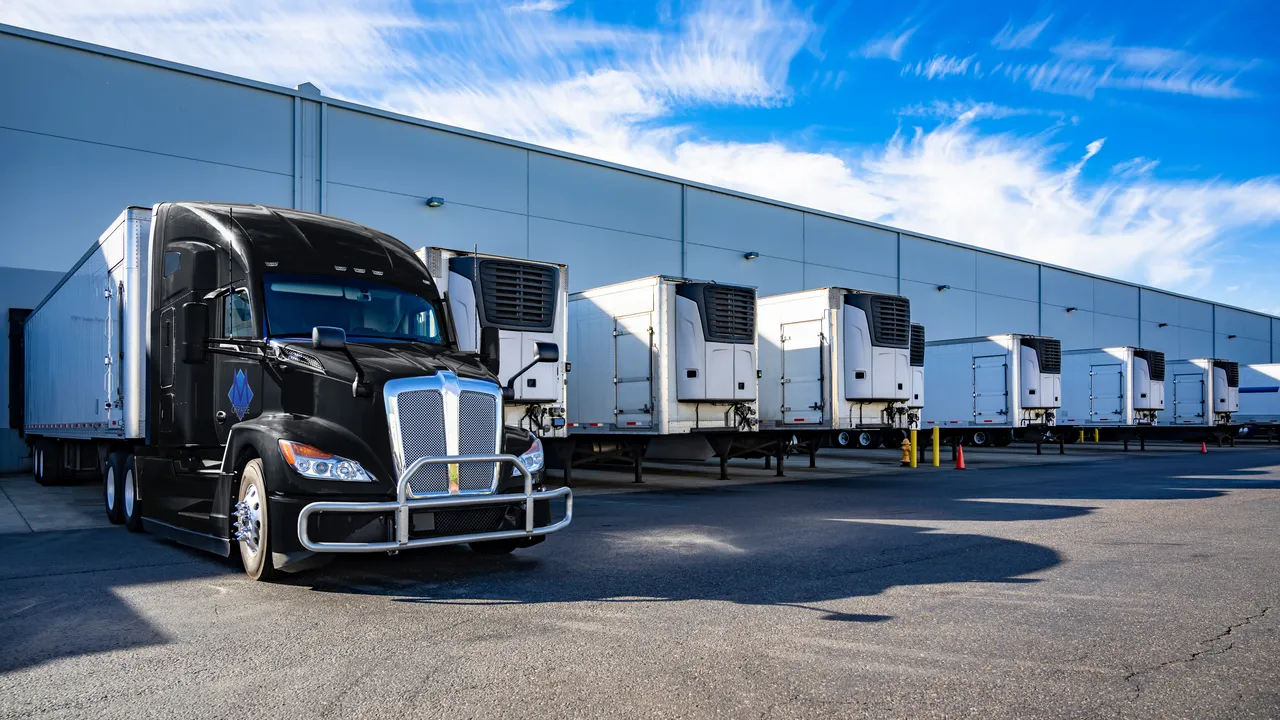
It's budget season. Finance wants a 2027 number. The economy is rough. Fuel is expensive.
Most companies respond the same way. They shop for a lower rate per mile.
That's the wrong question. A cheaper mile is still a mile. The better question is simple: how many of these miles do we actually need?
You can't control what diesel costs. You can control how far your freight travels, how many times it changes hands, and how full the trailer is when it leaves. Those are the levers. Here's how we pull them.
Store It Closer to the Customer
Long-haul miles often start with a warehouse in the wrong place.
If your inventory sits far from the people who buy it, every order pays for that distance. Every single time. It shows up as fuel, as driver time, and as days in transit.
Move the inventory closer and the distance shrinks before the truck ever starts.
GWSI runs warehouses in Chester, PA; Langhorne, PA; Ladson, SC, outside Charleston; and Jacksonville, FL. That puts stock on the East Coast, from the Mid-Atlantic to the Southeast. Ship in once. Store it near demand. Deliver short.
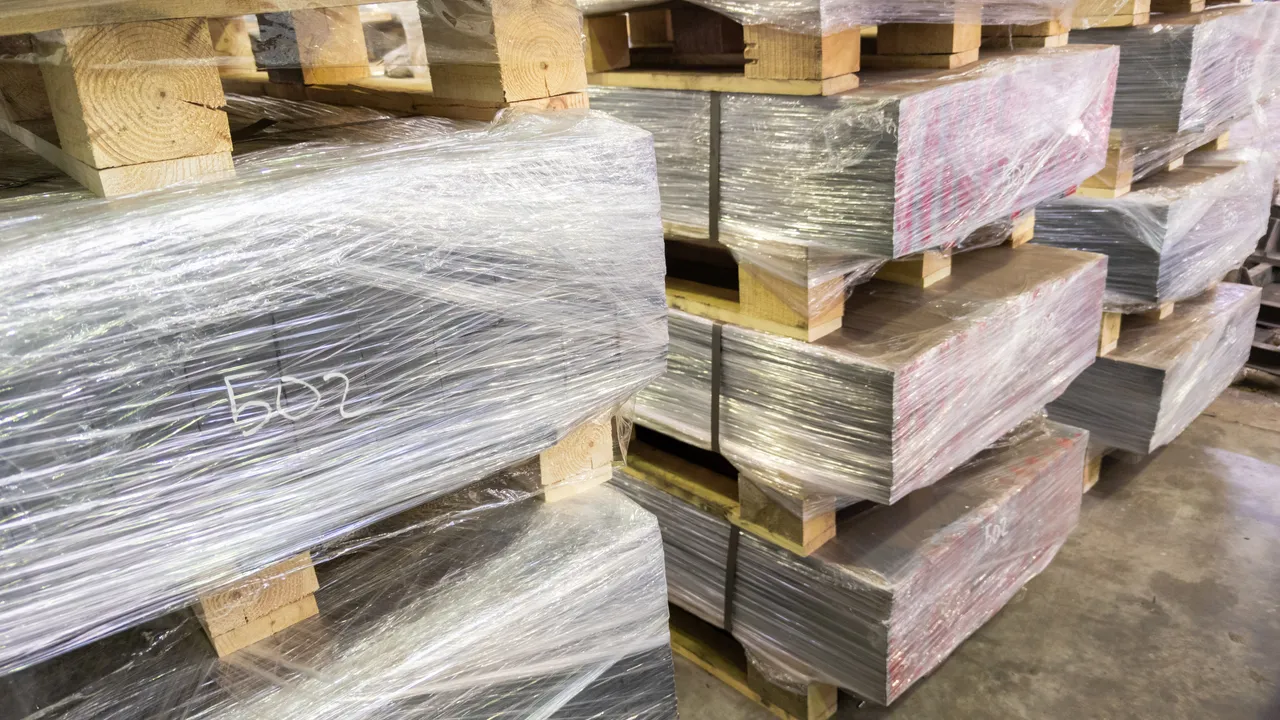
This is a warehousing decision, not a trucking one. That's why most freight plans miss it. They price the lane and never ask why the lane is that long.
Cut the Handoffs
Every handoff costs something. A broker books one carrier for the first leg. Freight sits at a cross-dock. A second carrier picks it up. Somebody waits. Somebody drives empty to get there.
You pay for all of it, even when it's buried in the rate.
We own our trucks, trailers, and warehouses. When the same company stores your freight and hauls it, there's no second carrier to find and no gap between legs. Fewer handoffs means fewer wasted trips.
Ship Full Loads, Not Partials
A half-empty trailer still needs a driver, a truck, and a full tank to make the trip. You pay for the whole trip either way.
Partial shipments feel flexible. Add them up over a year and you've paid to haul a lot of air.
When your inventory sits in our warehouse, we can hold orders and build full loads instead of sending partials out the door as they come in. Same freight. Fewer trucks. Fewer miles.
It takes planning. Not every order can wait. But many can, and the ones that can should ride together.
Use Rail Where It Makes Sense
For long hauls, a truck isn't always the right tool.
GWSI has direct rail access with indoor loading and unloading. Freight can come in by railcar, go straight into the warehouse, and leave on our trucks for the short final leg.
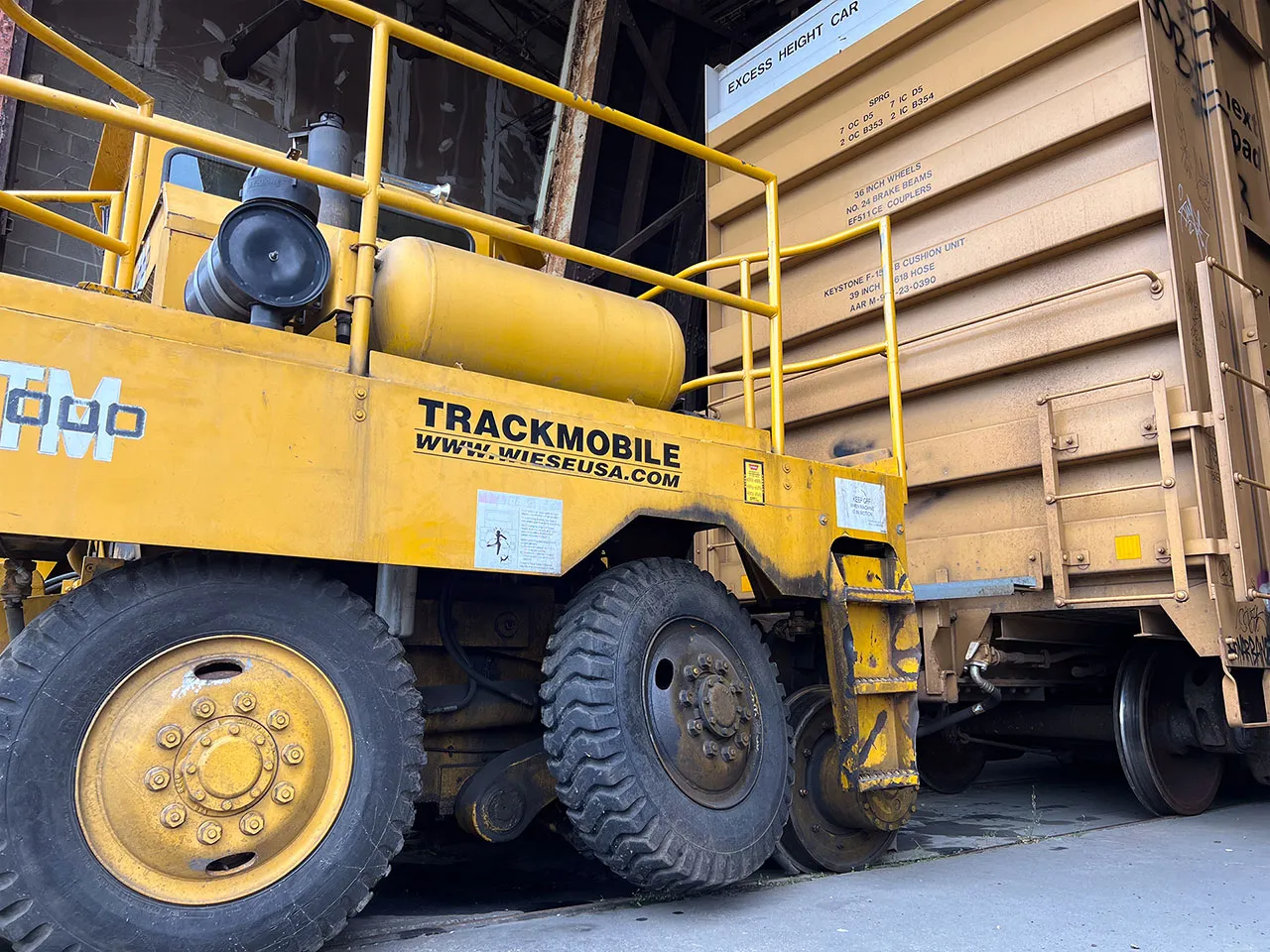
Rail isn't a fit for everything. Time-sensitive orders and short lanes usually belong on a truck. We'll tell you which is which. The point isn't rail. The point is matching each leg to the right equipment so you stop buying truck miles you don't need.
Why Now
Once the 2027 budget is set, your freight plan is set with it. Changing course mid-year means reopening the number and explaining why.
Right now you can still choose. Where inventory sits. How it moves. What goes full and what goes by rail.
We've been doing this for over 30 years. We started in warehousing. We own the assets. We'd rather show you a plan that drives fewer miles than quote you a cheaper rate on the same bad route.
The Short Version
Fuel is expensive. You can't fix that.
You can stop paying for miles you don't need. Store inventory closer to customers. Cut the handoffs. Ship full. Put long hauls on rail when it fits.
Get your 2027 warehousing and transportation plan priced now, before the budget locks. Talk to us or call +1 (484) 494-4294.
Learn more about our warehousing, transportation, and distribution services.